
Georgetown, August 3, 2025
News Summary
The Texas Department of Transportation has partnered with the Texas Speleological Survey to initiate a groundbreaking 3D mapping project of Inner Space Cavern in Georgetown, Texas. This initiative, the first of its kind in over sixty years, aims to explore uncharted areas of the cavern, enhance visitor experiences, and promote geological education. The cavern, discovered during construction in 1963, features stunning formations and fossils, attracting approximately 45,000 schoolchildren each year. Renovations are set for September 2023 to further improve accessibility and education about this natural wonder.
Georgetown, Texas – The Texas Department of Transportation (TxDOT) has partnered with the Texas Speleological Survey to initiate a comprehensive 3D mapping project of Inner Space Cavern, a significant geological site located just outside of Georgetown. This project marks the first extensive exploration of the cavern system in over sixty years, since its original discovery in 1963 by a TxDOT drilling crew during the construction of Interstate 35.
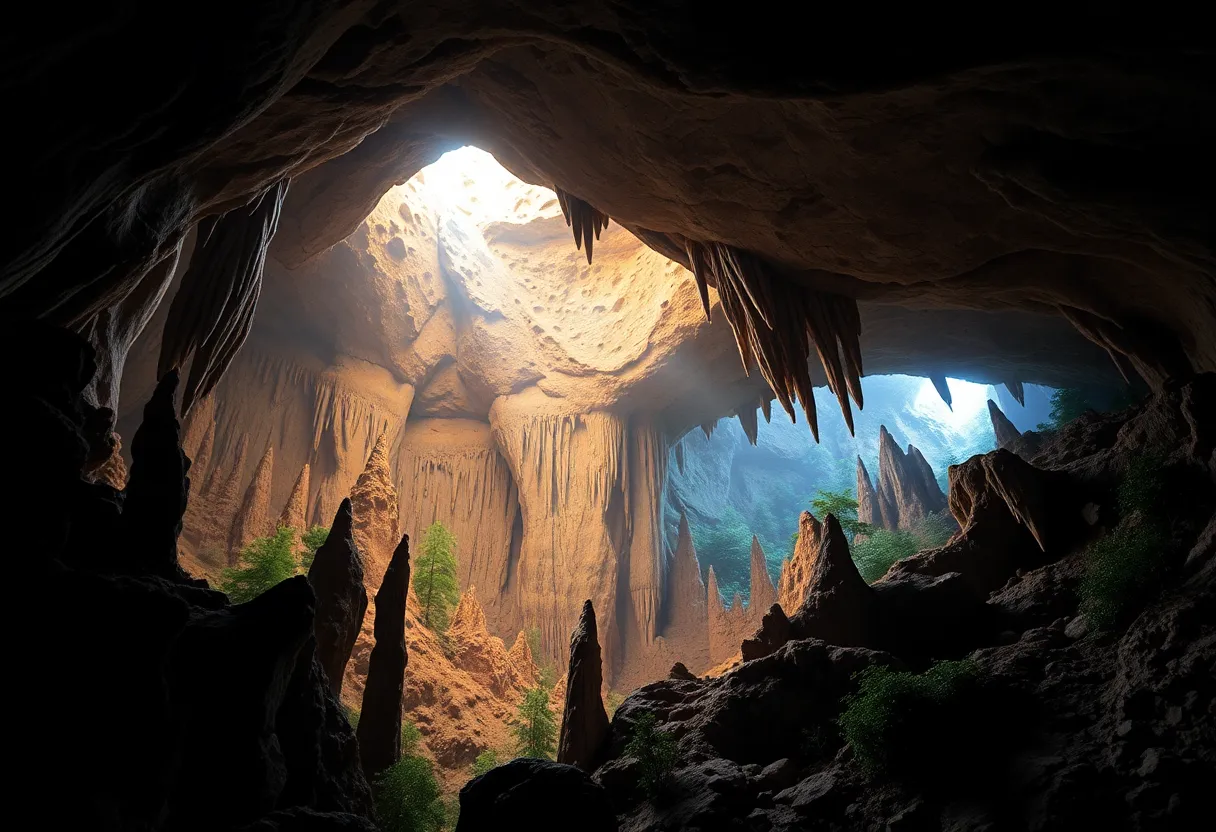
Inner Space Cavern, a natural wonder sealed beneath layers of rock for more than 10,000 years, boasts impressive formations and Ice Age fossils. The cavern, which was opened to the public in 1966, has since drawn generations of visitors. Each year, approximately 45,000 schoolchildren tour the cavern, underscoring its role in education and community engagement.
The mapping initiative will allow researchers to explore areas of the cavern that remain uncharted since their initial discovery in the 1960s. This exploration aims to provide valuable insights into the geologic features of the cavern and its significance in relation to the highway infrastructure above it. The caves are estimated to be around 100 million years old, with formations such as flowstone, stalactites, stalagmites, and the unique Ice Cream Parlor room attracting tourists and geology enthusiasts alike.
Notably, the limestone in Inner Space Cavern acts as a natural insulator, maintaining a consistent temperature of 72 degrees year-round. This climate allows the cave to receive dripping water continuously, independent of external rainfall conditions, contributing to its unique ecosystem. It is estimated that the formations within the cave grow at a rate of one cubic inch every hundred years, emphasizing the slow but continuous process of geological change.
In September 2023, Inner Space Cavern is slated for renovations, which may temporarily impact routine tours. During this closure, the cavern will undergo improvements to enhance the visitor experience while continuing its mission to educate the public about Texas’s prehistoric past and the science of speleology. The general manager of Inner Space Cavern emphasized the significance of the cave as both a geological treasure and a valuable educational resource for the community.
Through this partnership between TxDOT and the Texas Speleological Survey, the mapping project not only aims to preserve the natural beauty of Inner Space Cavern but also to foster a deeper appreciation for the geological history of Central Texas. As knowledge of the cavern increases, it is hoped that its role in both tourism and education will continue to grow, inspiring future generations to explore the wonders of the natural world.
FAQ
What is Inner Space Cavern?
Inner Space Cavern is a natural cave located in Georgetown, Texas, featuring impressive geological formations and fossils dating back to the Ice Age.
When was Inner Space Cavern discovered?
It was discovered in 1963 during the drilling for Interstate 35 by a TxDOT crew.
How long is the cave system?
The Inner Space Cavern stretches approximately five miles in length.
What types of formations can be found inside the cavern?
Visitors can find stalactites, stalagmites, flowstone, and a room referred to as the Ice Cream Parlor.
How many visitors does Inner Space Cavern receive annually?
About 45,000 school children visit the cavern each year, along with many tourists and families.
What is the purpose of the 3D mapping project?
The mapping project aims to explore uncharted areas of the cavern and understand its geological connections to the surrounding infrastructure.
Key Features of Inner Space Cavern
| Feature | Description |
|---|---|
| Discovery Year | 1963 |
| Opening Year | 1966 |
| Annual Visitors | 45,000 schoolchildren |
| Length of Cave | 5 miles |
| Temperature | 72 degrees year-round |
| Formation Growth Rate | 1 cubic inch per 100 years |
Deeper Dive: News & Info About This Topic
HERE Resources
Georgetown Set to Revise Landscaping Regulations
Additional Resources
- Hello Georgetown
- Wikipedia: Inner Space Cavern
- Community Impact
- Google Search: Inner Space Cavern 3D Mapping
- CBS Austin Weather Blog
- Google Scholar: Inner Space Cavern Geology
- FOX 7 Austin
- Encyclopedia Britannica: Inner Space Cavern
- StyleBlueprint
- Google News: Inner Space Cavern