

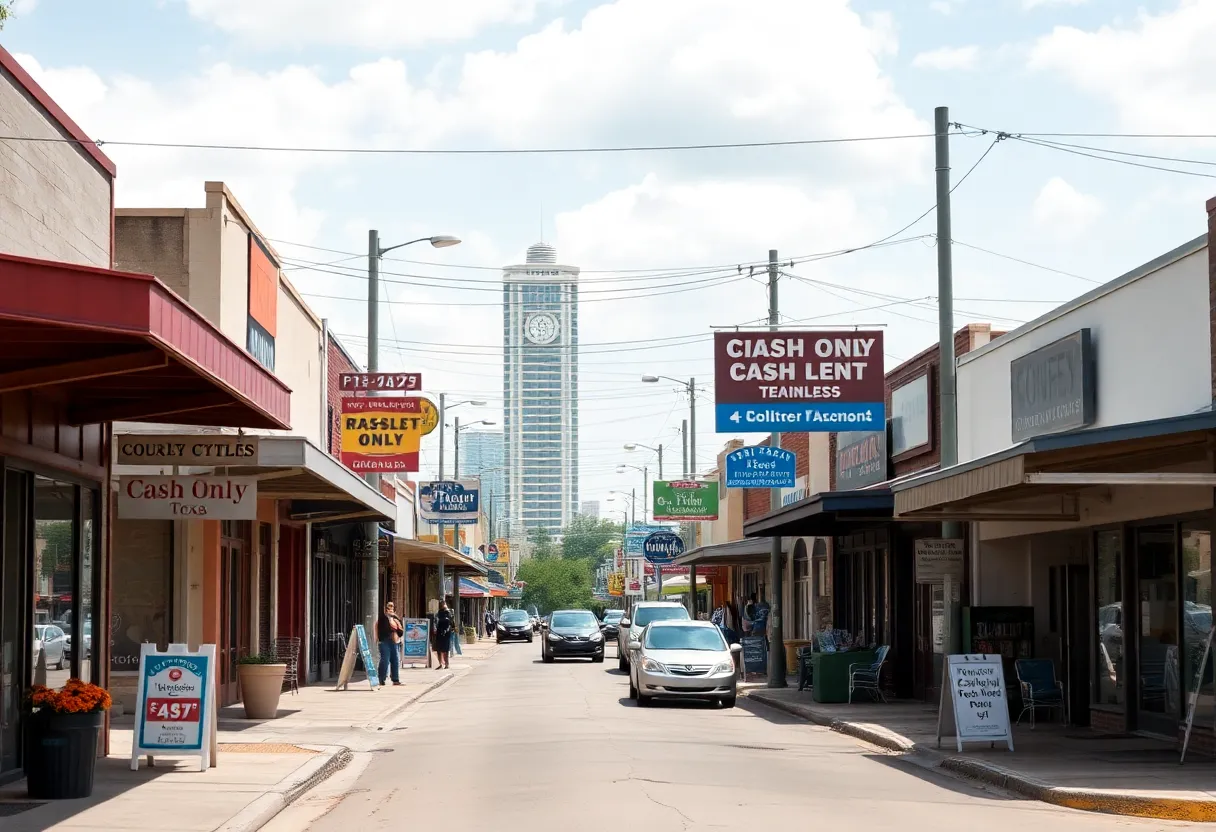
News Summary
The trend towards cashless transactions is rapidly growing in Texas as more businesses opt for card payments over cash. While this shift promises increased efficiency and reduced theft risks, it raises concerns for low-income residents who rely on cash. With a significant number of unbanked households in the state, the push for cashless options may marginalize certain segments of the population. Meanwhile, businesses continue to adapt, and discussions around the implications of this trend are ongoing.
Texas businesses are increasingly adopting cashless payment systems, a move that has implications for consumers, particularly low-income earners. While cash is still recognized as legal tender, there are no federal laws that require businesses to accept cash payments. The recent trend toward cashless transactions, catalyzed by the COVID-19 pandemic, has led many businesses in Texas to exclusively accept debit or credit cards for their services.
A 2022 study conducted by Pew Research Center found that approximately 41% of Americans did not make any cash purchases during a typical week, indicating a notable shift towards digital transactions. This trend is more pronounced among wealthier individuals, while lower-income Americans continue to rely heavily on cash due to various socioeconomic barriers. Without laws in place that mandate cash acceptance, businesses in Texas are free to develop their own payment policies, which has led many to go cashless.
Though some states and large cities have implemented regulations requiring businesses to accept cash, Texas currently has no such laws. As a result, the flexibility for businesses to accept only electronic payments has raised concerns among critics, who argue that cashless systems could exclude low-income consumers, many of whom may not have access to credit or debit cards. In Texas alone, data from the Federal Deposit Insurance Corporation (FDIC) from 2019 indicates that unbanked households are disproportionately represented among racial and ethnic minorities, with 11.4% of Black households, 14.5% of Hispanic households, and 2.5% of white households lacking traditional banking access.
The challenges faced by unbanked individuals are primarily related to financial barriers and distrust of banking institutions. The two main reasons for remaining unbanked are the inability to meet minimum balance requirements and a general skepticism towards banks. This demographic is particularly vulnerable in a cashless economy, where the absence of cash-friends options can lead to further marginalization.
Despite these concerns, advocates for cashless transactions assert that the advantages outweigh the downsides. They argue that obtaining a bank account and debit card is relatively straightforward and contributes to safer transactions compared to carrying cash. The efficiency gains, reduced risk of theft, and lowered operational costs attributed to cashless systems are often highlighted by businesses transitioning away from cash. These entities believe that adopting a cashless model not only enhances customer experience but also streamlined their operations.
Recent developments, including policy changes at venues such as Six Flags Over Texas, have further exemplified the cashless trend. These entertainment facilities have mandated card-only transactions while also providing cash-to-prepaid debit card conversion kiosks to accommodate those who do not have bank cards. This strategy attempts to strike a balance between the operational efficiencies of going cashless and the needs of consumers who still require cash options.
The ongoing debate surrounding cash acceptance is reflected in recommendations by the Austin Human Rights Commission, which has proposed that businesses employing five or more staff members should be prohibited from refusing cash payments. This recommendation underscores the growing concern about equitable access to services in an economy that is increasingly leaning toward digital transactions.
As cashless policies gain traction across Texas, the implications for consumers are significant, particularly for low-income earners who may find themselves at a disadvantage. The conversation surrounding cash acceptance will likely continue, as stakeholders examine the advantages and drawbacks of a cashless society and seek avenues to ensure inclusivity for all consumers.
Deeper Dive: News & Info About This Topic
- Star-Telegram: Cashless Transactions in Texas
- Wikipedia: Cashless Society
- KPEL: Impact of Cashless Businesses on Texas Shoppers
- Google Search: Cashless Transactions Texas
- Houston Chronicle: Texas Cashless Business Requirement
- Google Scholar: Cashless Transactions
- Dallas News: Six Flags Goes Cashless
- Encyclopedia Britannica: Cashless Business
- KFMB: Texas Six Flags Now Cashless
- Google News: Cashless Businesses Texas