

News Summary
A new vaping law in Texas has banned the sale and consumption of THC-infused vape products, impacting small businesses significantly. With concerns over youth health driving the legislation, small business owners like Allen Haji express fears of potential revenue loss and the rise of a black market. While public health advocates celebrate the ban, retailers struggle with compliance and customer awareness of the new rules. As enforcement begins, the future of vaping in Texas remains uncertain amidst ongoing legislative discussions.
Texas has enacted a new law banning the sale and consumption of all THC-infused vape products, alongside restrictions on disposable nicotine vape products. Senate Bill 2024, signed by Governor Greg Abbott in June 2025, officially took effect on September 1, 2025. This legislation aims to combat a rising health and addiction crisis among young Texans, as officials seek to regulate products they argue have increasingly targeted youth demographics.
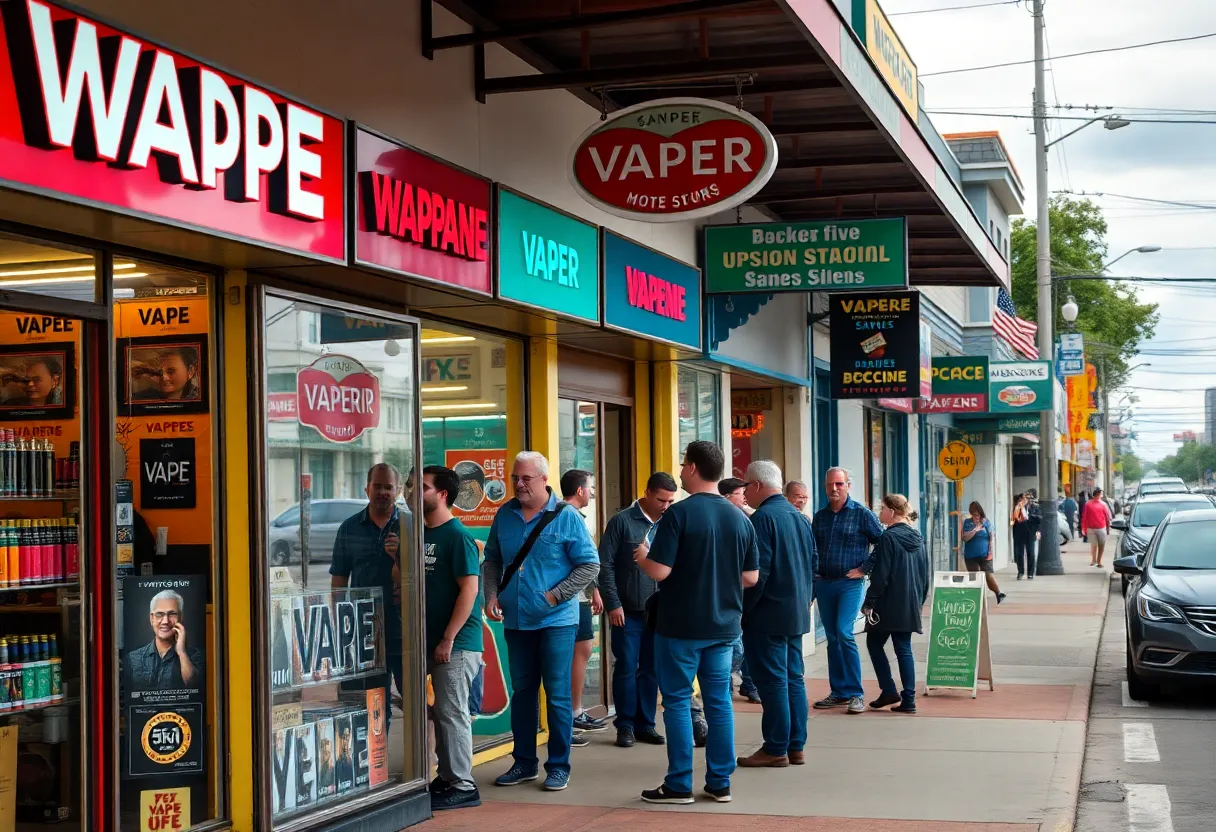
The law has significant implications for retailers in the vaping market, particularly those that have sold THC-infused products. Small business owners like Allen Haji, co-owner of Quick Vape in Carrollton, reported that about 40% of their sales derived from the now-banned products. Following the law’s enactment, Haji faced the loss of a substantial revenue stream, stating the removal of restricted items from his shelves and the necessity to turn away customers who sought these products. Concerns have emerged from business owners that these regulations may lead to an increase in a black market for THC-infused products.
Public health advocates have largely supported SB 2024, asserting that it acts as a deterrent for youth exposure to potentially harmful substances. Advocates cite trends in the vaping industry that have historically included marketing strategies appealing to younger audiences, such as flavored options and eye-catching packaging. Reports indicate a correlation between vaping and heightened incidents of lung disease among teenagers and young adults, further bolstering the arguments for stricter regulations.
The current law arrives on the heels of past legislative attempts, specifically Senate Bill 3, which aimed to ban all consumable hemp products containing THC but was vetoed by Abbott in 2023. Critics within the vaping industry have voiced worries that SB 2024 may set the stage for broader restrictions in the future.
The enforcement and compliance of SB 2024 fall under the jurisdiction of the Texas Department of State Health Services. Despite this directive, there are growing concerns regarding the inconsistent enforcement of the regulations across different regions of the state. Moving forward, both supporters and opponents of the law agree that education surrounding compliance, health risks, and responsible use of vaping products is essential to ensure that the legislation meets its intended objectives.
While Senate Bill 2024 specifically targets the sale of THC-infused products, it does allow for the personal possession of these items. Under the new law, any e-cigarette that contains cannabinoids or is promoted as such is prohibited from being sold. Violations of the law are categorized as a Class A misdemeanor, potentially leading to up to one year in jail and a maximum fine of $4,000 for offenders.
Nonetheless, specific types of nicotine e-cigarettes that are manufactured in the United States and marketed to adults remain legal for sale. Retailers can also continue to sell consumable THC products, such as low-dose THC gummies, drinks, snacks, and smokeable flower. In the wake of the new restrictions, many small businesses have reported significant revenue losses; some owners estimate they have lost nearly $700 per day due to the removal of THC products from their offerings. Unfortunately, many customers remain unaware of these changes, leading to confusion and disappointment upon discovering that their preferred products are no longer available.
Looking ahead, lawmakers are currently discussing a proposed Senate Bill 6, which would impose a ban on all consumable THC products. That proposal has hit a snag in the House, leading to uncertainty about its future. Meanwhile, the governor’s office has expressed a preference for devising more regulations surrounding THC products rather than implementing outright bans, indicating that the conversation around vaping and cannabis products in Texas is far from over.
Deeper Dive: News & Info About This Topic
- Express-News: Texas Vape Ban Consumers Impact
- Wikipedia: Vaping in the United States
- Statesman: THC Vape Ban Texas Law
- Google Search: Texas vape ban
- KVUE: THC Vape Ban Effect Texas
- Encyclopedia Britannica: Vaping
- Fox 4 News: Texas Business Vape Regulation
- Google Scholar: THC vape ban Texas
- CBS News: North Texas Vape Shops Face Losses
- Google News: Texas vape products