
News Summary
Tesla’s recent relocation to Texas has sparked fears among investors regarding new laws that limit shareholder rights. As the annual meeting approaches, with significant shareholder proposals on the agenda, concerns about governance and compensation grow. The company faces scrutiny over CEO Musk’s escalating pay package and increasing political involvement, raising questions about investor confidence and stock performance in light of Texas’ regulatory changes.
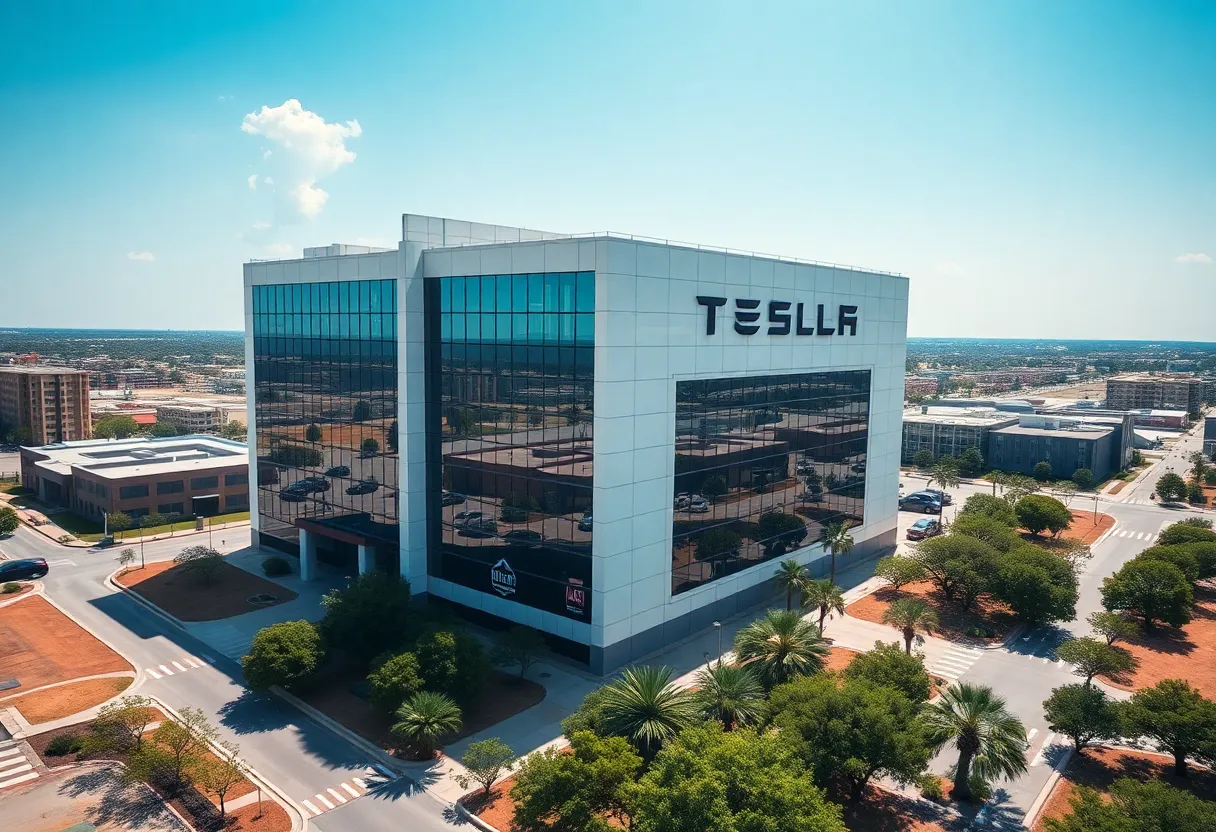
Texas has recently become a focal point for investor concern as Tesla Inc. has officially reincorporated in the state, following new laws that limit investor rights. As the company prepares for its upcoming annual shareholders meeting, scheduled for November 6, three of the eight shareholder resolutions in the proxy statement are aimed at addressing the implications of Texas’s business regulations. These developments have raised significant anxiety among investors about the potential impact on their rights and Tesla’s governance.
Texas Governor Greg Abbott has signed several measures into law that enable corporations to restrict who can file shareholder proposals and lawsuits. This legislative move has heightened investor concerns, particularly after Tesla’s decision to relocate its corporate headquarters to Texas, a state known for its less stringent business regulations. The recent pressuring of Tesla’s management by over two dozen investors seeking details about the upcoming meeting has contributed to the mounting unease.
Historically, Tesla’s prior annual shareholders meeting was held on June 13, 2024, where CEO Elon Musk‘s controversial compensation package was approved again. The new laws governing corporate behavior in Texas mandate companies like Tesla to hold annual meetings within 13 months of the previous gathering. In the event of a missed meeting, shareholders are allowed to seek a court-ordered meeting; however, the absence of strict penalties for postponements has led to concerns about compliance and transparency.
Harvard law professor John Coates has remarked that although delaying meetings isn’t illegal, it is atypical for companies to forgo such engagements for extended periods. As of now, Tesla has not filed a proxy statement detailing the upcoming meeting’s agenda or voting items, contributing to uncertainty regarding Musk’s controversial compensation package.
The valuation of Musk’s pay has faced significant scrutiny, with its initial worth set at $2.6 billion skyrocketing to $56 billion. However, legal challenges have intensified, leading to rescindments of the compensation by a Delaware court, which further complicates matters for Tesla’s board and its decision-making regarding executive pay, especially amid rising investor pressure tied to Musk’s personal political engagements.
Moreover, Tesla is facing criticism for Musk’s affiliations with certain political figures and his ambition to establish a new political party. This political entanglement has reportedly contributed to a downturn in Tesla’s stock value alongside growing dissatisfaction among investors. The New York City Comptroller has called for adherence to corporate governance standards, which are designed to safeguard shareholder interests, while other stakeholders have condemned Musk’s political ventures as a diversion from the company’s innovative focus.
Lehigh County Controller, referencing the broader situation, has urged Musk to prioritize company interests and step back from political distractions, as these activities have reportedly shifted Tesla’s image from a pioneering automotive company to a cultural battleground. This change in perception raises concerns regarding the artificial demand for Tesla’s stock, propped up by its inclusion in the S&P 500, despite persistent underlying revenue and governance issues.
Financial analysts express doubt about the sustainability of Tesla’s current success, suggesting that it is increasingly dependent on inertia rather than genuine innovation. The company’s trajectory raises vital questions for shareholders as they navigate the complexities of corporate governance in a changing legislative landscape.
As the date of the annual shareholders meeting approaches, stakeholders and the financial community watch closely, eager to understand how these dynamics will unfold and impact both Tesla’s future and investor rights.
Deeper Dive: News & Info About This Topic
- The New York Times: Tesla Shareholder Meeting 2025
- Google Search: Tesla Shareholder Meeting 2025
- Reuters: Tesla Annual Shareholder Meeting
- Encyclopedia Britannica: Tesla
- Fortune: Elon Musk’s Tesla Pay Package
- Google News: Tesla Investor Proposals
- Bloomberg Law: Tesla Investor Proposals
- Quartz: Tesla Annual Shareholder Meeting Scheduled
- The New York Times: Texas Incorporation vs Delaware
- Google Scholar: Tesla Inc


Author: STAFF HERE GEORGETOWN
The GEORGETOWN STAFF WRITER represents the experienced team at HEREgeorgetown.com, your go-to source for actionable local news and information in Georgetown, Williamson County, and beyond. Specializing in "news you can use," we cover essential topics like product reviews for personal and business needs, local business directories, politics, real estate trends, neighborhood insights, and state news affecting the area—with deep expertise drawn from years of dedicated reporting and strong community input, including local press releases and business updates. We deliver top reporting on high-value events such as the Red Poppy Festival, Georgetown Swirl, and Christmas Stroll. Our coverage extends to key organizations like the Georgetown Chamber of Commerce and the Downtown Georgetown Association, plus leading businesses in manufacturing and tourism that power the local economy such as local wineries and historic downtown shops. As part of the broader HERE network, including HEREaustin.com, HEREcollegestation.com, HEREdallas.com, HEREhouston.com, HEREgeorgetown.com, and HEREsanantonio.com, we provide comprehensive, credible insights into Texas's dynamic landscape.