
News Summary
Texas is experiencing a significant boom in data centers, becoming a hub for data storage and processing. With 448 operational facilities and projections for explosive growth, there are concerns about high water consumption amidst ongoing drought challenges. The state’s deregulated power market and favorable business conditions have fueled this expansion, but as water usage rises, recommendations for better regulations are needed to ensure sustainability. The future of the data center landscape in Texas hinges on balancing rapid expansion with responsible resource management.
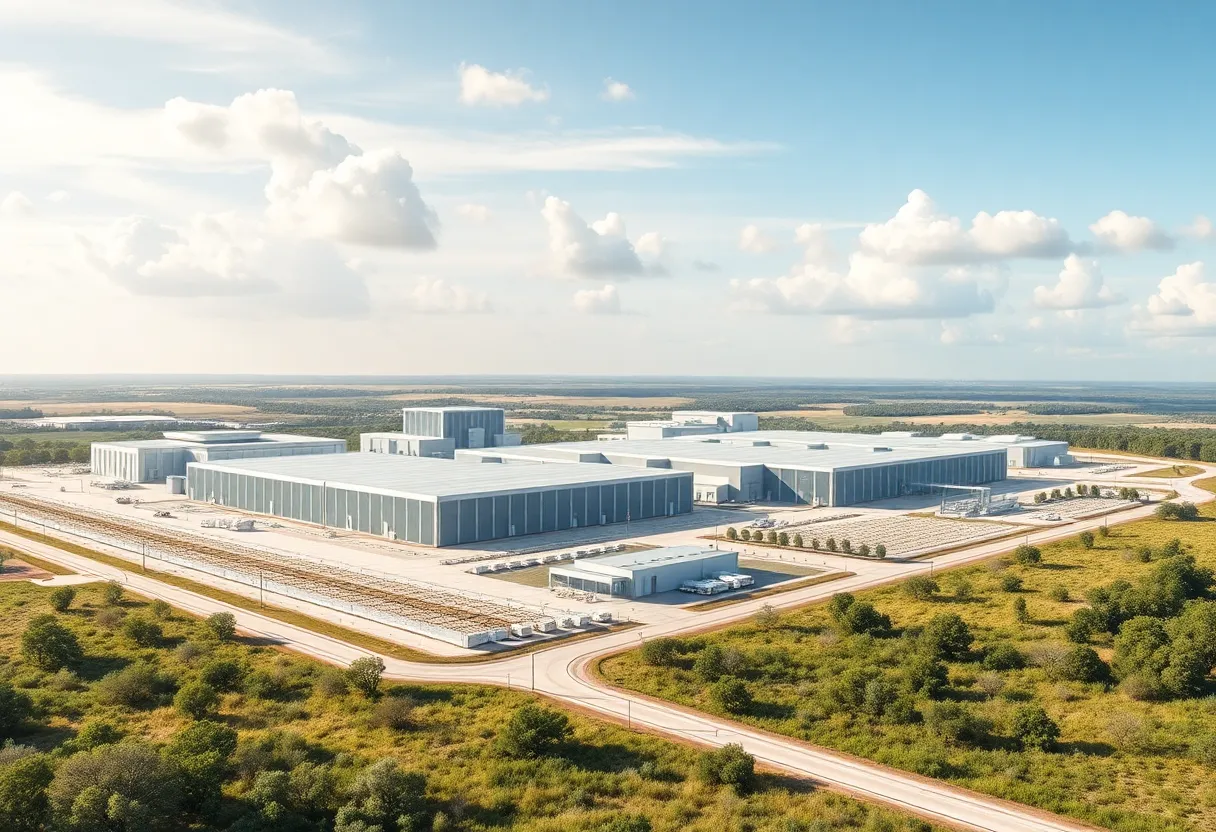
Texas is experiencing a significant boom in data centers, with 448 operational facilities currently managed by 127 providers. As demand for digital services skyrockets, this number is projected to increase tenfold by 2030, raising concerns about the state’s water resources amidst ongoing drought conditions.
The expansion of data centers is substantial, with the Texas data center market consuming approximately 9,402 megawatts of electricity—equivalent to the energy needs of about 7.8 million homes. The Electric Reliability Council of Texas (ERCOT) forecasts that the electrical grid capacity must grow from 85 gigawatts in 2024 to as much as 218 gigawatts by 2031 to accommodate this growth.
Data centers play a crucial role in storing, processing, and transmitting vast amounts of digital information for a variety of functions, including cloud services, artificial intelligence computations, and cryptomining operations. The shift towards remote work and cloud technologies during recent years has accelerated this demand, making Texas an attractive location for data center developers.
Several factors contribute to Texas becoming a hub for data centers. The state offers large, inexpensive parcels of land, especially in rural regions, making it feasible for companies to expand operations without incurring high costs associated with coastal metropolitan areas. The deregulated power market provides lower rates for high-volume energy users, while a business-friendly culture with fewer zoning restrictions compared to other states makes it easier for developers to establish new sites. Additionally, Texas boasts a robust infrastructure that facilitates major internet connections, enabling rapid data movement.
Regional Overview of Data Center Growth
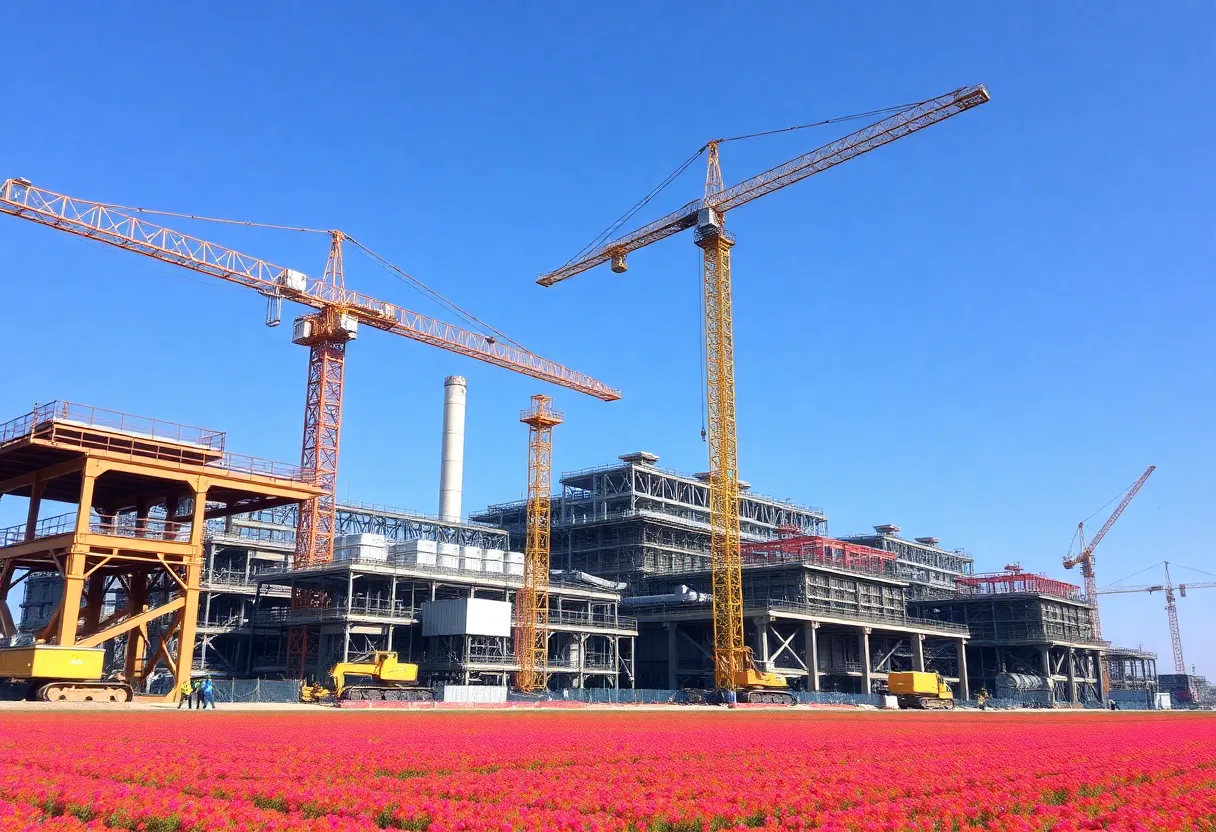
San Antonio leads with 56 data centers currently operational, along with 13 additional facilities under construction. Austin has 13 sites underway, and Dallas is home to 39 data centers, while the West Texas region commands 22 new developments. A flagship project in this surge is the Stargate campus in Abilene, projected to be larger than New York City’s Central Park and involving a joint investment of $500 billion from major tech players.
Other ambitious projects include “Data City, Texas,” a planned 50,000-acre data center hub near Laredo expected to start construction in 2026, initially powered by natural gas. Caldwell County is planning a 2 GW megasite projected for completion by 2028, and various projects in the San Marcos area are also in the pipeline.
Water Consumption and Environmental Concerns
As the data center industry expands, concerns regarding the significant water consumption associated with these facilities have intensified, particularly in light of Texas’ ongoing drought conditions. Current projections estimate that data centers will consume approximately 49 billion gallons of water in Texas by 2025, and this figure is expected to escalate to 399 billion gallons annually by 2030. Midsize data centers typically use about 300,000 gallons of water per day, while larger operations can consume up to 4.5 million gallons daily.
Texas currently lacks specific regulations governing water use in data centers, presenting a stark contrast to recently established laws addressing energy consumption. The high water consumption required for cooling methods used by many data centers has raised alarms regarding potential conflicts over water resources, particularly between industrial and municipal needs.
Call for Regulatory Measures
In response to these environmental concerns, a report has recommended improved planning and regulatory measures concerning water use in data center development. Key suggestions include requiring developers to disclose their projected water consumption and integrating water-recycling systems as part of future planning. These recommendations aim to balance the growth of data centers with the responsible management of Texas’ vital water resources, ensuring sustainable development as the industry continues to expand in the state.
Deeper Dive: News & Info About This Topic
- Utility Dive: Texas Data Center Buildout
- Newsweek: Texas Data Center and Water
- NBC DFW: Texas Energy Demand
- Data Center Dynamics: NRG Power Supply Deal
- Ars Technica: OpenAI and Partners
- Wikipedia: Data Center
- Google Search: Texas Data Centers
- Google Scholar: Texas Data Center Water Consumption
- Encyclopedia Britannica: Data Center
- Google News: Texas Data Centers